


From Chaos to Control: How to Know if Your Company is Truly Maturing in DevOps

A few years ago, talking about DevOps was almost synonymous with "automating deployments" or using modern tools. Today, the landscape is different. Many companies already use pipelines, containers, or cloud services, but they still face problems like production outages, manual processes, delivery delays, or excessive reliance on specific team members.
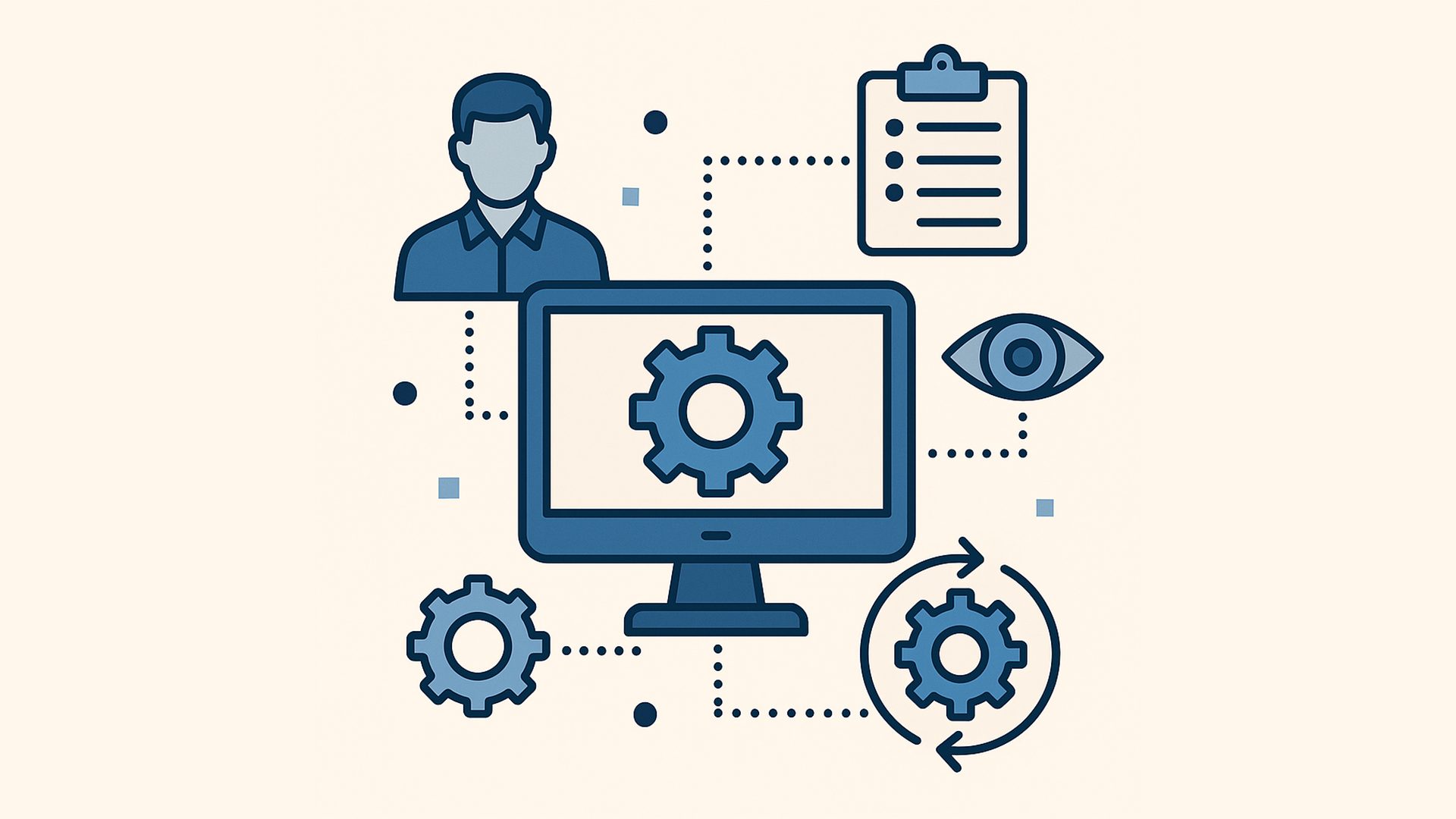
This is where the concept of DevOps Maturity Roadmap comes in. While the name might sound complex, it's actually quite practical: understanding how prepared an organization is to develop, deploy, and operate software efficiently and sustainably.
The idea isn't to immediately reach the most advanced level, but rather to identify where the company stands and what steps it can take to improve. Some organizations are just starting out and still perform manual deployments or configurations directly on servers. Others already have automation, monitoring, and much more stable processes in place.
A maturity roadmap helps precisely to organize that growth. It allows for the detection of weak points, prioritization of improvements, and avoidance of unnecessary investments in tools that may not yet be needed.
For example, a company in an initial stage typically relies heavily on manual tasks: someone executes deployments, restarts services, or fixes incidents directly in production. This often leads to errors, stress, and long recovery times.
In a more mature stage, a large part of these processes are already automated. Changes go through validations, automatic tests exist, and monitoring allows for the detection of problems before they affect users. Even development, operations, and security teams work in a more coordinated manner.
It's important to note that DevOps maturity isn't solely about technology. Having many tools doesn't guarantee better results. In fact, some companies have very sophisticated platforms but disorganized processes. True evolution occurs when there's collaboration, visibility, and clear processes.
There's also a significant benefit for security and compliance areas. A more mature environment facilitates audits, improves change traceability, and reduces operational risks. That's why many organizations working with standards like ISO 27001 are incorporating DevOps practices into their strategies.
Ultimately, a DevOps Maturity Roadmap functions as a map for technological and operational growth. It helps answer key questions: What are we doing well? What's holding us back? What should we automate first? And how can we deliver software faster without compromising stability or security?
Because in technology, growth doesn't always mean adding more tools. Sometimes, it simply means working in a more organized, automated, and reliable way.
Contact us to discuss how our team
can boost your digital commerce.
Notas Relacionadas
From Chaos to Control: How to Know if Your Company is Truly Maturing in DevOps
2/6/2026
Business Development

Complete Guide to Migrating Your eCommerce Platform to a Headless Architecture
9/3/2026
Business Development
Financial strategies to survive the high and low seasons of e-commerce
29/12/2025
Business Development
E-commerce cash flow: why it's the biggest challenge (and how to solve it)
19/12/2025
Business Development


We build trust with every line of code: our path to ISO 27001:2022 certification
15/8/2025
Business Development
Service Management System What is it? and how it helps us deliver IT services
1/8/2025
Business Development
The Product Owner as a Strategic Link Between Business and Technology in eCommerce
3/6/2025
Business Development
Checklist for launching an eCommerce store: Everything you need before you start
15/5/2025
Business Development
Assertive Communication Between Agile Teams: Fostering Collaboration and Success
10/10/2024
Business Development

Introduction to Microfrontends: Decomposing the Complexity of Web Applications
17/7/2024
Business Development


Optimizing SUCCESS: The Importance of Performance Monitoring and Analysis in eCommerce Platforms
17/4/2024
Business Development


How to Create a Successful Business Case for the Migration of Your E-Commerce Platform
11/3/2024
Business Development

Agile Methodology: An Approach That Reduces the “Pain” of an Implementation
7/2/2024
Business Development


Contact us to discuss how our team
can boost your digital commerce.


